Restoration Services
Comprehensive disaster recovery from emergency response through verified dry-out and clearance.
Disaster Restoration, Start to Rebuild-Ready
Every service includes insurance documentation, direct carrier communication, and payment plan options for uninsured losses. When it's time to rebuild, we hand off to trusted local rebuild contractors we use regularly and coordinate the whole transition.
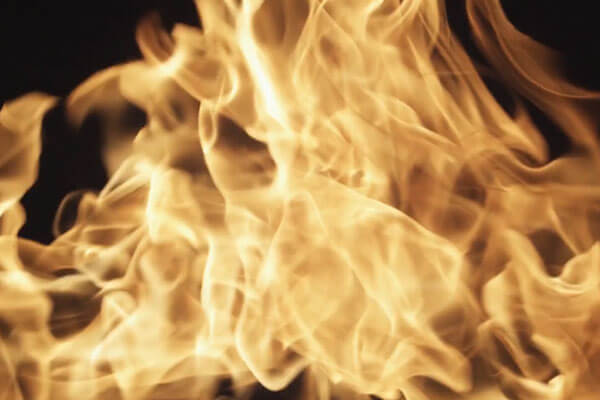

Fire & Smoke Damage Restoration
A fire can devastate your home in minutes, but the damage from smoke and soot continues long after the flames are out. Our IICRC-certified technicians respond immediately to stabilize the structure, prevent secondary damage, and begin the restoration process.
We handle everything from emergency board-ups and tarping to soot and smoke removal, content cleaning, and smoke odor elimination. Our industrial-grade equipment removes soot particles from every surface throughout your home.
Immediate structural securing to prevent further damage, weather intrusion, and unauthorized entry.
Professional cleaning of all surfaces including walls, ceilings, and contents. HEPA air scrubbing to eliminate airborne particles.
Thermal fogging, ozone treatment, and hydroxyl generators to permanently remove smoke odor from the structure.
We complete demolition of unsalvageable materials, structural drying, and cleaning — leaving your home documented and ready for your chosen rebuild contractor.
Affected contents are moved, protected, and — when possible — cleaned right on-site. Everything is inventoried and documented for your insurance claim, and when items need specialized off-site cleaning or storage, we coordinate the pack-out with a trusted contents-restoration partner.
We help coordinate temporary housing while your home is being restored, and your carrier can advise on additional living expense (ALE) coverage.
What to Expect: Fire Restoration Timeline
Day 1: Emergency board-up, tarping, and structural stabilization. Our crew secures the property to prevent further damage from weather or unauthorized entry. Days 2–5: Soot and smoke removal begins. HEPA air scrubbing runs continuously while our team cleans all salvageable surfaces and contents. Days 5–14: Odor elimination using thermal fogging, ozone, and hydroxyl generators, along with on-site content cleaning and, when needed, pack-out coordination with our contents-restoration partner for specialized off-site work. Weeks 2–8+: Reconstruction — framing, drywall, electrical, plumbing, flooring, painting, and finish work — is performed by your chosen rebuild contractor once our mitigation is complete and verified. Timeline depends on the severity of the fire and the scope of reconstruction needed.
Insurance Coverage for Fire Damage
Most homeowners insurance policies cover fire and smoke damage, including structural repairs, content cleaning or replacement, and additional living expenses while your home is uninhabitable. We document every aspect of the damage with detailed photos, moisture readings, and written scope-of-work reports. Our team shares project documentation with your carrier and communicates with your adjuster throughout the project so you can focus on your family instead of paperwork. If your claim is underpaid or disputed, we provide supplemental documentation to support review.

Water Damage Restoration
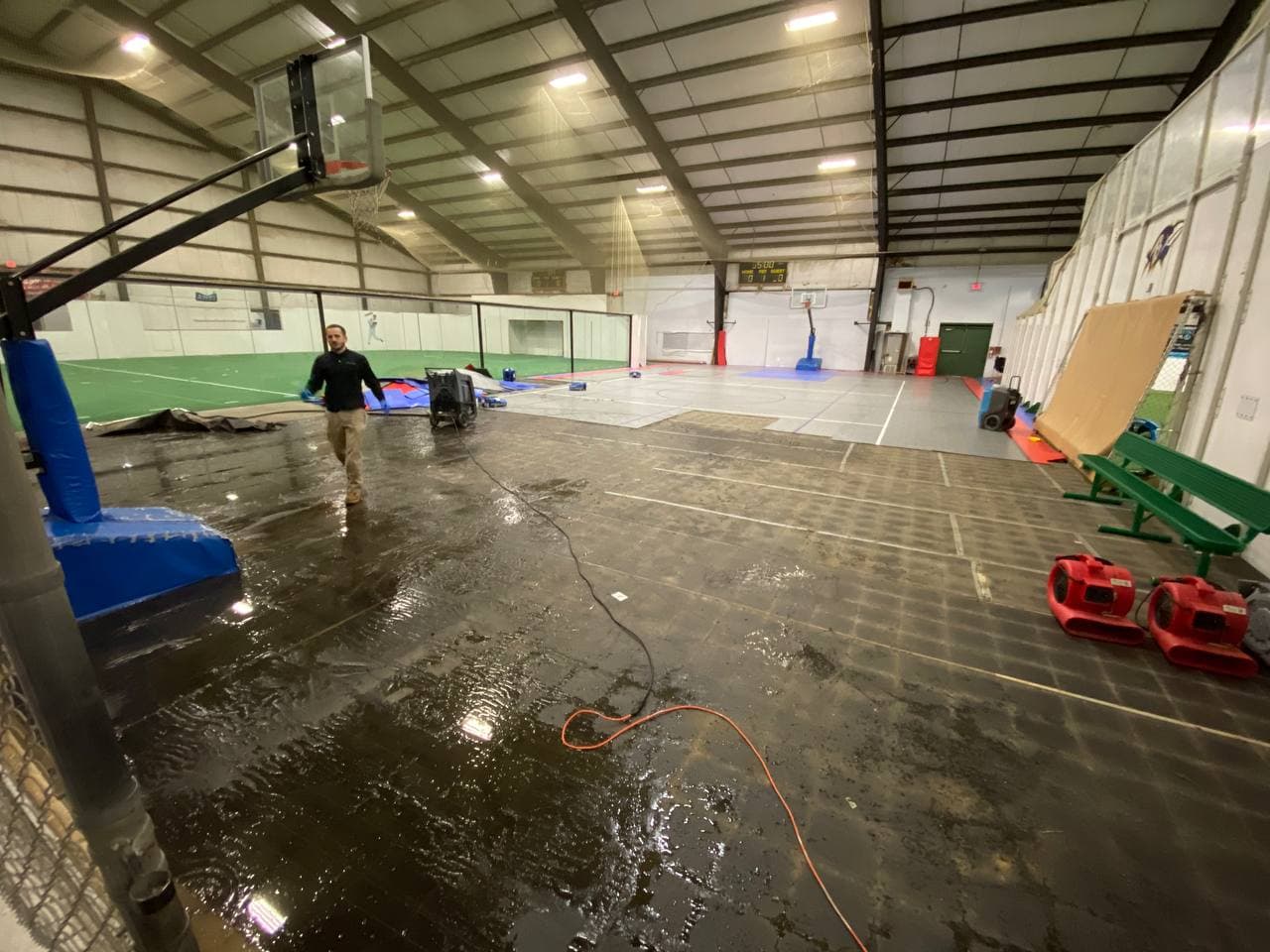
Water damage progresses rapidly — mold can begin growing within 24–48 hours. Our rapid response teams use commercial-grade extraction equipment, industrial dehumidifiers, and precision moisture monitoring to dry your property quickly and thoroughly.
Average timeline from extraction to complete drying: 3–7 days, depending on the severity and scope of damage. We monitor daily with thermal imaging and moisture meters to ensure optimal progress.
Portable extraction units remove standing water within hours of arrival.
Commercial air movers and LGR dehumidifiers accelerate drying while preventing secondary mold growth.
Daily readings with thermal cameras and pin/pinless meters ensure complete moisture removal from all materials.
We remove unsalvageable water-damaged materials, dry the structure to verified moisture targets, and document everything — leaving the space ready for your rebuild contractor.
EPA-registered antimicrobial agents are applied to all affected structural surfaces to prevent mold growth and bacterial contamination during the drying process.
We move and protect affected contents, clean what we can right on-site, and document everything for your insurance claim. When belongings need specialized off-site cleaning or storage, we coordinate a pack-out with a trusted contents-restoration partner and keep the documentation seamless.
What to Expect: Water Damage Timeline
Day 1: Emergency response and water extraction. Our crew arrives with portable extraction units to remove standing water. We set up containment, begin moving contents to dry areas, and place initial drying equipment. Days 2–4: Structural drying and monitoring. Commercial air movers and LGR dehumidifiers run around the clock. Our technicians visit daily to take moisture readings with thermal imaging cameras and pin meters, adjusting equipment placement as needed. Days 5–7: Final drying verification and equipment removal. We confirm all materials have reached target moisture levels before clearing the property. Weeks 2–4: Repairs and reconstruction of damaged drywall, flooring, cabinetry, trim, and painting are performed by your chosen rebuild contractor once our verified dry-out is complete.
Insurance Coverage for Water Damage
Most homeowners insurance policies cover sudden and accidental water damage such as burst pipes, appliance failures, and overflow events. Flood damage from rising exterior water typically requires a separate flood insurance policy through the NFIP or a private carrier. We document the source, category, and class of water damage in detail to support your claim. Our team shares documentation with your insurance carrier, including moisture maps, daily monitoring logs, and scope-of-work estimates, so the project record is organized from start to finish.

Mold Removal & Remediation
Mold poses serious health risks and can compromise your home's structural integrity. Our certified remediation specialists follow EPA and IICRC S520 protocols to safely identify, contain, remove, and verify complete mold elimination.
We don't just clean visible mold — we identify and eliminate the moisture source that caused it, ensuring the problem doesn't return.
Our inspection and moisture mapping, paired with independent third-party air quality and surface testing to identify mold species, concentration levels, and affected areas.
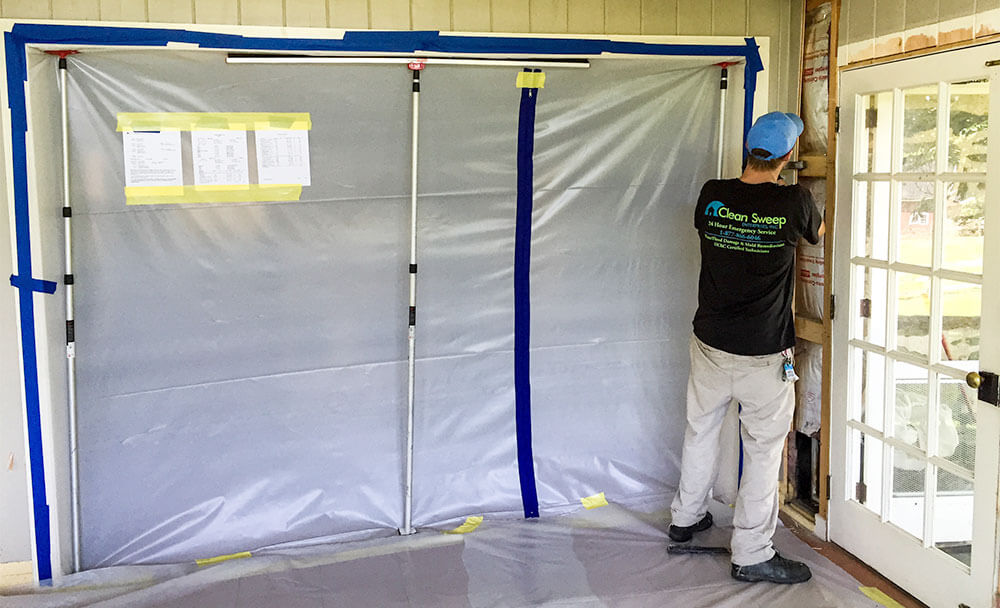
Negative air pressure containment with HEPA filtration prevents cross-contamination during removal.
Removal of contaminated materials with antimicrobial treatment of all affected structural surfaces.
Independent third-party clearance testing confirms mold levels are back to safe, normal conditions before we consider the job done.
We locate and address the underlying moisture problem — whether it is a plumbing leak, condensation issue, or drainage problem — to prevent mold from returning.
After remediation and third-party clearance testing, we hand the space back documented and rebuild-ready — so your rebuild contractor can replace the drywall, insulation, flooring, and other materials removed during abatement.
What to Expect: Mold Remediation Timeline
Day 1: Professional inspection, plus independent third-party air quality testing. Our certified technicians assess the scope of contamination using moisture meters and borescopes; the air sampling is performed by an independent tester you choose or one we can recommend, since a remediation contractor testing its own work is a conflict of interest. We develop a detailed remediation plan. Days 2–3: Containment setup and mold removal. Negative air pressure barriers with HEPA filtration isolate the affected area. Contaminated materials are safely removed and disposed of. All structural surfaces receive antimicrobial treatment. Days 4–5: HEPA vacuuming of all surfaces, final antimicrobial application, and equipment removal. Days 5–7: Independent post-remediation clearance testing by a third-party inspector confirms the space is safe. Once clearance is achieved, your chosen rebuild contractor can begin reconstruction of removed materials.
Insurance Coverage for Mold
Mold coverage is more limited than many homeowners expect. Most policies exclude mold damage on its own, or cap it at a small dollar amount. Where coverage usually applies is the covered water event that caused the mold — a burst pipe or appliance failure, for example — which is why fast water cleanup matters so much. We document the source of the moisture, the extent of contamination, and the remediation scope in detail for your carrier's review. Our team communicates directly with your adjuster and provides all supporting documentation throughout the process.
Flood Damage Restoration
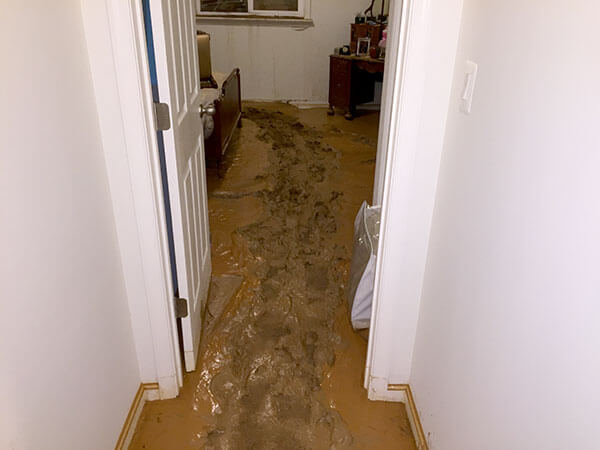
Flooding brings Category 2 or 3 water into your home — contaminated water that carries bacteria, chemicals, and sewage. This requires specialized extraction, antimicrobial treatment, and often significant demolition of unsalvageable materials before your rebuild contractor can begin reconstruction.
Flood restoration costs vary widely depending on the depth of water, contamination level, and scope of demolition required. We work directly with your flood insurance carrier to document conditions and support review of the full restoration scope.
High-volume pumps and extraction equipment remove contaminated flood water as fast as possible.
Antimicrobial and antibacterial treatments to sanitize all affected surfaces and materials.
Safe removal of unsalvageable materials, including flooring, drywall, insulation, and contents.
We complete demolition, sanitizing, and structural drying, then hand your property back documented and ready for your chosen rebuild contractor.
Antimicrobial treatment and accelerated structural drying to prevent mold growth, which can begin within 24–48 hours of flood exposure.
Detailed inventory and photographic documentation of all damaged contents for your insurance claim, including assessment of salvageable versus non-salvageable items.
What to Expect: Flood Restoration Timeline
Day 1: Emergency flood water extraction using high-volume pumps and portable extraction equipment. Our crew assesses contamination levels, establishes safety zones, and begins removing standing water immediately. Days 2–4: Demolition of unsalvageable materials including saturated drywall, insulation, carpet, and padding. Antimicrobial treatment of all structural surfaces. Industrial drying equipment is placed throughout the property. Days 4–10: Continued structural drying with daily moisture monitoring. Air scrubbers run continuously to remove airborne contaminants and odors. Weeks 2–6+: Reconstruction — new framing, drywall, flooring, cabinetry, trim, and painting — is performed by your chosen rebuild contractor once our mitigation is complete and the structure is verified dry. Timeline depends on the extent of demolition required and the scope of reconstruction.
Insurance Coverage for Flood Damage
Standard homeowners insurance policies typically do not cover flood damage from rising exterior water. A separate flood insurance policy through the National Flood Insurance Program (NFIP) or a private carrier is required. If you have flood insurance, we work directly with your flood carrier to document all damage and keep the restoration scope organized. We provide detailed water category assessments, contamination documentation, moisture maps, and scope-of-work reports. For properties without flood coverage, we offer flexible payment plans to help make restoration accessible during a difficult time.
Sewage Cleanup
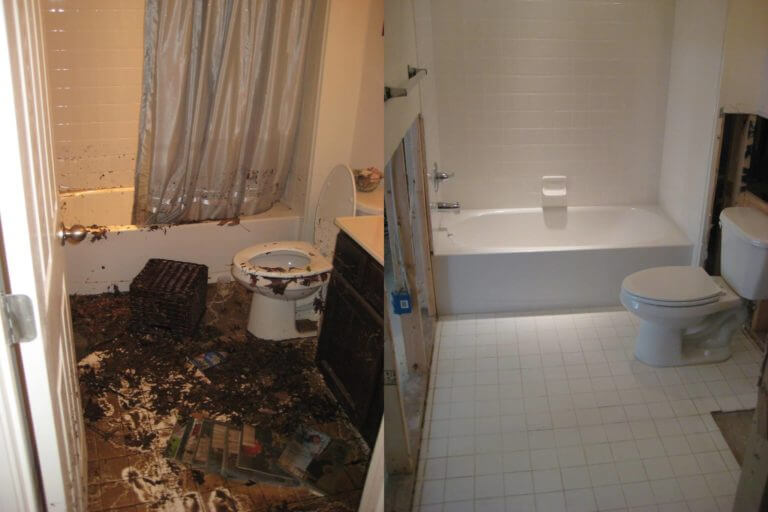
Sewage backups and overflows are among the most hazardous situations a homeowner can face. Our crews are trained in biohazard handling and follow a rigorous 6-step methodology to ensure your home is completely safe.
Category 3 (black water) contamination requires immediate professional intervention. Sewage contains bacteria, viruses, parasites, and other pathogens that pose serious health risks. Our technicians use full PPE, hospital-grade disinfectants, and EPA-registered antimicrobial agents to eliminate all contamination and restore your property to safe, habitable condition.
Evaluate contamination scope, establish safety zones, and deploy PPE protocols for crew protection.
Isolate affected areas to prevent cross-contamination to clean spaces in your home.
Remove all contaminated water, solids, and unsalvageable materials using specialized equipment.
Hospital-grade antimicrobial treatment of all surfaces, structural components, and remaining contents.
Industrial drying equipment ensures all structural components are completely moisture-free.
Final testing confirms safe conditions before your chosen rebuild contractor begins any reconstruction or repair work.
Industrial-grade deodorization using hydroxyl generators, ozone treatment, and thermal fogging to permanently eliminate sewage odors from the structure.
We coordinate with licensed plumbers to identify and repair the source of the backup, ensuring the problem does not recur after cleanup is complete.
What to Expect: Sewage Cleanup Timeline
Day 1: Emergency response with full biohazard safety protocols. Our crew establishes containment, extracts contaminated water and solids, and removes unsalvageable materials including carpet, padding, drywall (up to the flood cut line), and insulation. Days 2–3: Hospital-grade antimicrobial treatment of all affected structural surfaces. Industrial drying equipment is placed and air scrubbers run continuously. Odor neutralization begins. Days 3–5: Continued drying and monitoring with daily moisture readings. Final disinfection and clearance verification. Weeks 1–3: Reconstruction of removed materials — drywall, flooring, cabinetry, and trim — is performed by your chosen rebuild contractor once we verify the structure is clean and dry.
Insurance Coverage for Sewage Cleanup
Many homeowners insurance policies cover sewage backup damage if you have a sewer and drain backup endorsement on your policy. This endorsement is often available for a small additional premium and is highly recommended. Coverage typically includes cleanup, demolition, drying, disinfection, and reconstruction costs. Some policies have sub-limits for sewage backup claims, so we work closely with your adjuster to document the full scope of damage for carrier review. If your policy does not include this endorsement, we offer payment plans to help manage the cost of restoration.

Emergency Plumbing Concierge
Our concierge model is unlike anything else in the industry, and it is worth being precise about how it works. When you call us with a plumbing emergency, we connect you with a partnered local licensed plumbing company and give you their direct contact information — and we message that plumber to let them know a mutual client is on the way, so your call is never a cold one.
The plumber schedules the repair directly with you. Once they are on site, we stay in contact with them about when our crew can get in, then schedule your water extraction and mitigation for as soon as possible. One call, and the damage side of the job is already covered before most homeowners would think to ask.
Immediate response for sewage backups that threaten your home with contaminated water.
Your plumbing partner repairs the line; we extract the water and dry the walls, floors, and ceilings it reached.
A referral for emergency pump replacement, plus our basement water extraction before damage spreads.
Water heater, washing machine, dishwasher — we point you to the right plumbing partner and handle the water damage they leave behind.
During winter months, we respond to frozen and burst pipe emergencies with a fast plumbing referral and water extraction scheduled as soon as the repair is under way, to minimize structural damage.
One project manager on our side stays in contact with your plumber from the referral through the dry-out, so you are not the one relaying messages between two companies.
What to Expect: Emergency Plumbing Concierge Timeline
Hour 1: You make one call to Clean Sweep. We refer you to a licensed plumber from our partner network, pass along their direct contact information, and give that plumber a heads-up that a mutual client is reaching out. Hours 1–3: You and the plumber set the appointment directly — plumbing companies schedule with the homeowner, not through us. Once they are on site, they diagnose and repair the source of the leak or backup while we stay in contact with them about when our crew can get in. Day 1: With the source stopped, we schedule your mitigation visit for as soon as possible and begin water extraction, content protection, and containment. Days 1–3: Our team focuses on structural drying with commercial air movers and dehumidifiers. Daily moisture monitoring ensures optimal progress. Days 3–7+: Once drying is complete, we document the verified dry-out so your chosen rebuild contractor can repair any damaged drywall, flooring, or cabinetry. The mitigation process is managed by a single project manager for seamless coordination.
Insurance Coverage for Plumbing Emergencies
Most homeowners insurance policies cover water damage resulting from sudden and accidental plumbing failures such as burst pipes, water heater leaks, and appliance malfunctions. The plumbing repair itself is typically the homeowner's responsibility, but the resulting water damage to the structure and contents is generally covered. We document the cause, the extent of water intrusion, and all affected areas to support your insurance claim. Our team shares documentation with your carrier and provides moisture maps, daily monitoring logs, and a detailed scope of work for the entire project.

Biohazard & Trauma Cleanup
Unattended deaths, trauma and crime scenes, and other biohazards call for discreet, certified handling — not a job for household cleaners. Our technicians follow OSHA's Bloodborne Pathogens Standard to safely contain, remove, and disinfect blood and other potentially infectious materials, then document the work for your insurance carrier or estate.
We answer live, 24/7, and dispatch with complete discretion — unmarked vehicles are available on request, and we coordinate with law enforcement so cleanup can begin the moment a scene is released.
We evaluate the affected area and isolate it to prevent cross-contamination before any work begins.
Contaminated porous materials — flooring, drywall, upholstery — are removed wherever pathogens can seep and hide.
EPA-registered disinfectants and industrial deodorizing treat every affected surface, verified safe before we leave.
All biohazard waste is packaged and disposed of as regulated medical waste, and we document the decontaminated space for your rebuild contractor.
Insurance & Financial Assistance
Many homeowners and commercial policies cover trauma and biohazard cleanup, and we document the scope, photos, and disposal records for your carrier's review. If you're uninsured and the event was a violent crime, victim-assistance programs may help. Every engagement starts with a free, confidential assessment.
Frequently Asked Questions
Need Restoration? We're Ready.
Call our 24/7 line or request a free, no-obligation estimate for any service.